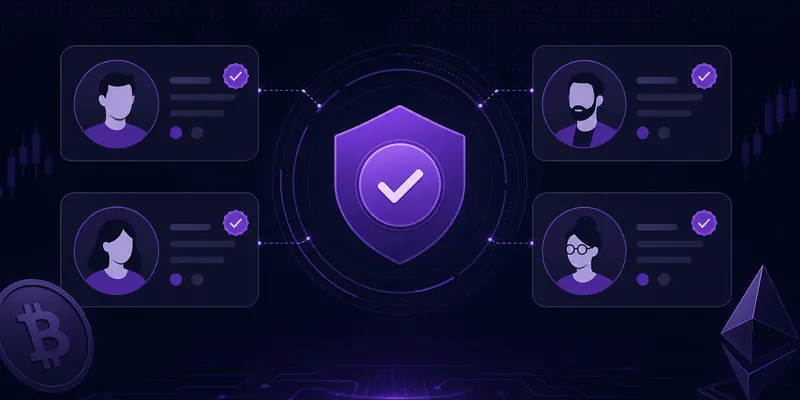
Trust between buyers and vendors is the foundation of any functional marketplace, and on darknet platforms the challenge of establishing that trust is substantially more complex than on conventional e-commerce sites. Without the scaffolding of legal identity verification, credit card chargebacks, or consumer protection agencies, users must rely on technological mechanisms and community-driven reputation systems to distinguish legitimate vendors from fraudulent actors. The new tiered vendor verification system addresses this challenge with a multi-layered approach combining financial bonding, cryptographic identity proofs, and transparent activity history.
The system introduces three vendor tiers, each requiring progressively greater commitment and carrying correspondingly greater visibility and privileges on the platform. Entry-level vendors must post a bond in Monero equivalent to a set threshold, verified by the platform's escrow system. Established vendors who have completed a minimum number of transactions and maintained high ratings are eligible for a second tier, which unlocks additional listing categories and increased withdrawal limits. Verified Elite vendors, the third tier, undergo a more rigorous process that includes submitting a PGP-signed statement linking their current account to any prior market history.
How PGP-Signed Identity Proofs Work
The PGP-signed identity proof is a particularly important element for buyers trying to assess vendor legitimacy. A vendor who has operated on previous platforms may have an established reputation — positive reviews, transaction history, trusted contacts in the community — that they wish to carry over to their presence on the Nexus Website. The signed proof allows them to do this in a verifiable way.
The process works as follows: the vendor creates a message that includes their current platform username, account registration date, and a cryptographic commitment to their account. They sign this message with the same PGP private key that was publicly associated with their account on any previous platform. The resulting signed message can be published in the community forum and verified by anyone who has a copy of the vendor's original public key. If the signature is valid, it proves the same entity controls both the old and new accounts.
Buyers should always verify these proofs independently rather than taking a vendor's claim of prior history at face value. Step-by-step verification instructions are available in the OPSEC guide, which covers PGP signature verification in accessible terms. The key steps involve importing the vendor's public key into a PGP tool such as GnuPG and running the verification command against the signed message. A valid verification result confirms the proof's authenticity.
The Bonding System and Fraud Prevention
The financial bonding component serves a different but complementary function. By requiring vendors to post a meaningful sum before they can list products, the system creates a real economic cost for fraudulent behaviour. A vendor who creates an account, attracts a few orders, and then vanishes with buyer funds — a practice known as an exit or selective exit scam — loses their bond, which is distributed among affected buyers through the dispute resolution process.
The bond size is calibrated to be high enough to deter casual fraud without being so prohibitive that it bars legitimate smaller vendors from participating. The specific amounts for each tier are denominated in XMR and are visible on the vendor registration page. The platform overview section of this resource includes a summary of how the bonding mechanism integrates with the broader escrow and dispute system.
Experienced market participants have generally responded positively to the tiered structure. Community forum discussions noted that the combination of cryptographic identity linking and financial bonding creates a more robust deterrent than either mechanism alone. A fraudulent vendor would need to sacrifice their bond deposit while also burning a PGP key identity that may represent years of accumulated reputation across multiple markets — a cost that significantly reduces the incentive for exit scams.
Practical Advice for Buyers
When evaluating a vendor, buyers should consider multiple signals in combination. Tier status is one useful indicator, but it should be weighed alongside the vendor's review history, the age of their account, their PGP key fingerprint consistency over time, and whether their claims about prior market history are independently verifiable. No single metric tells the complete story.
It is also worth checking whether a vendor's PGP public key has been signed by other well-regarded community members, a practice sometimes called the "web of trust." While this is not a formal part of the new verification system, it provides an additional layer of social verification that experienced buyers value highly. Always approach new vendors — regardless of tier — with appropriate caution, starting with smaller orders until a track record is established.
← Back to News